How to Reduce Checkout Abandonment and Boost Shopify Sales
Feb 18, 2026
|
Published
To bring down that painful checkout abandonment rate, you really only need to fix two things: surprise costs and a confusing checkout process. If you can nail clear pricing and create a smooth, simple experience, you're already ahead of the game and on your way to keeping customers moving toward that "complete purchase" button.
Understanding Why Shoppers Abandon Carts
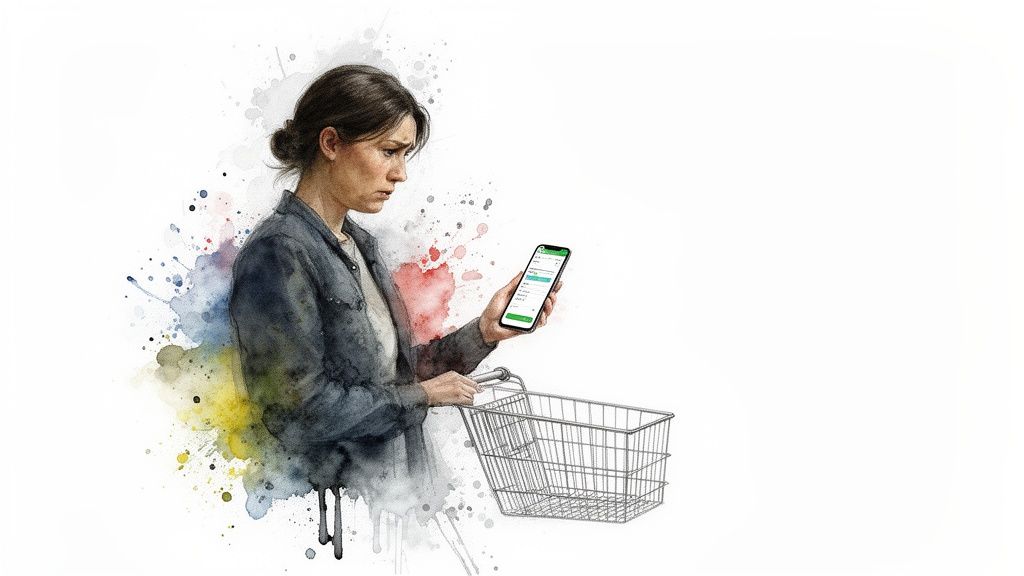
It’s tempting to look at an abandoned cart as just another lost sale. But what if you saw it as direct, unfiltered customer feedback instead? Every single time a shopper ditches their cart, they’re sending you a message about a specific weak spot in your buying journey.
And this isn't a small problem. The global cart abandonment rate is hovering around a staggering 70%. That means for every ten potential customers, seven are walking away at the last second.
So, why does someone with every intention to buy suddenly slam the brakes? It almost always boils down to one of two things: a sudden loss of trust or an overwhelming amount of friction. To get a handle on this, you have to dig into the most effective strategies to reduce cart abandonment and understand the psychology behind that final click.
Let's break down the two biggest culprits that make shoppers hesitate and bounce.
The Shock of Unexpected Costs
By far, the number one conversion killer at checkout is the surprise fee. A customer has mentally committed to a price. They’re ready to buy. Then, right at the final step, a bunch of unexpected shipping costs, taxes, or random fees pop up.
It feels like a classic bait-and-switch, and it shatters the trust you just spent your entire website building.
The data doesn't lie. A whopping 48% of customers ditch their carts for this exact reason, making it the top driver of abandonment on the planet. It’s a jarring experience that can instantly sour someone’s opinion of your entire brand.
But fixing this isn't about just slashing prices. It's about being transparent. Better yet, turn a negative into a positive. Build free shipping into your pricing, or even better, use it as an in-cart reward to boost your Average Order Value (AOV). This simple shift turns a surprise penalty into a satisfying win for the customer and is key for long-term customer lifetime value.
Friction from a Clunky Process
The second major reason people leave is a checkout flow that’s just too much work. If your process is slow, demands a novel's worth of personal information, or is a nightmare to use on a phone, you’re actively chipping away at your customer’s patience and confidence.
This frustration usually stems from a few common friction points. Here’s a quick look at why shoppers leave and the actionable strategies you can use to convince them to stay.
Common Checkout Friction Points and Their Solutions
Friction Point | Impact on Shopper | Effective Solution |
|---|---|---|
Forced Account Creation | "I don't want to commit." It feels like a hassle and raises privacy concerns. | Offer a prominent guest checkout option. Let them create an account later if they want. |
Long, Confusing Forms | "Why do you need all this?" Unnecessary fields add tedious work and create suspicion. | Only ask for essential information. Use auto-fill options and clear labels for every field. |
Poor Mobile Experience | "I can't click the right button!" Pinching and zooming to fill out forms is a conversion killer. | Ensure your checkout is fully responsive with large, easy-to-tap buttons and a vertical layout. |
Limited Payment Options | "You don't take my preferred payment?" Not seeing options like PayPal or Apple Pay creates friction and distrust. | Offer a variety of payment methods, including digital wallets, to cater to different preferences. |
By thinking of cart abandonment as a diagnostic tool, you can pinpoint exactly where these weak spots are in your funnel.
Creating a transparent, rewarding, and seamless experience doesn't just save a few sales here and there. It builds the trust you need for long-term customer loyalty. This is exactly why tools like Monster Cart exist—to transform the static cart into an engaging, interactive space that boosts AOV with smart rewards and makes the path to purchase both crystal clear and genuinely compelling.
Designing a Frictionless Checkout Experience
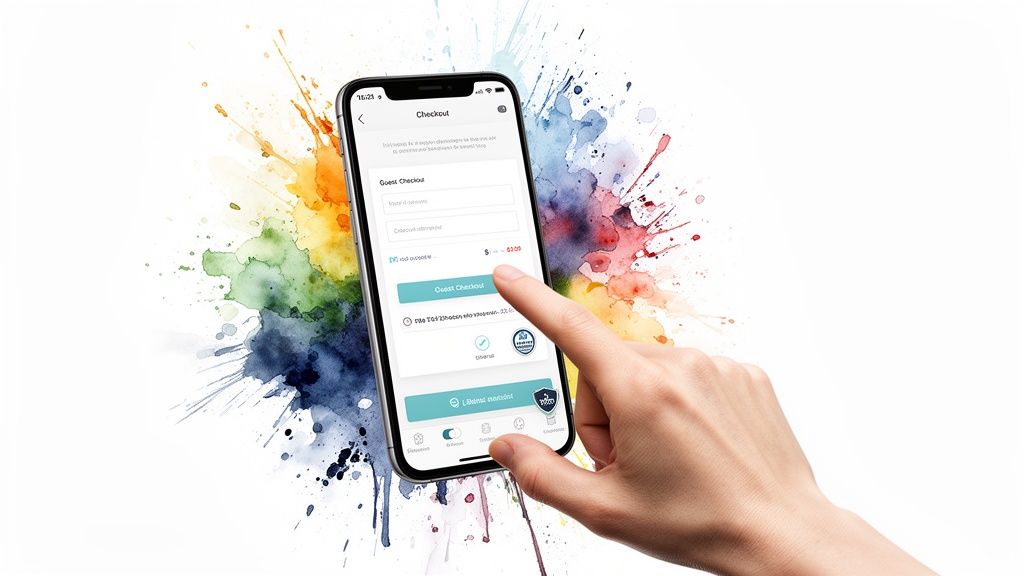
A truly great checkout process is practically invisible. It’s the silent salesperson that guides customers from cart to confirmation so smoothly they barely even notice the steps. When you eliminate the hidden obstacles that sabotage your sales, you make it incredibly easy for shoppers to say 'yes' to your brand.
This isn’t just about making things look pretty; it's about removing every last bit of hesitation and doubt from the buyer’s mind. A clunky, confusing, or untrustworthy checkout is a direct cause of abandoned carts, and fixing it is one of the most powerful ways to lift your conversion rate.
Simplify and Build Trust Instantly
The first rule of a frictionless checkout is to ask for only what you absolutely need. Every extra form field is another tiny reason for a customer to get frustrated and walk away. Just stick to the essentials: shipping address, contact info, and payment details. Anything else can wait.
Another huge barrier is forced account creation. It's a conversion killer. Nearly 19% of shoppers will abandon a purchase if you make them create an account before they can buy. The solution is simple but incredibly powerful:
Offer Guest Checkout Prominently: Make this the easiest, most obvious path forward. A customer who has a great first experience is far more likely to come back and create an account on their own terms later.
Display Trust Signals Clearly: Security badges from McAfee or Norton, clear links to your return policy, and accepted payment logos (like Visa, PayPal, and Apple Pay) build immediate confidence.
These small touches are a big deal. They reassure shoppers that their information is safe and their purchase is risk-free, clearing the path to that final click.
A seamless checkout experience is built on a foundation of trust and simplicity. By removing barriers like mandatory account creation and clearly displaying security seals, you tell customers their security is your top priority, making them more comfortable completing their purchase.
Master the Mobile Checkout Experience
Mobile commerce is a double-edged sword. It’s where most of your customers hang out, but it's also where abandonment rates go through the roof. The mobile checkout isn’t just a shrunken version of your desktop site; it demands its own focused, thumb-friendly design.
The stats are pretty sobering: mobile devices can see cart abandonment rates as high as 80%, a number that completely dwarfs desktop performance. This is a five-alarm fire for most brands, as a poor mobile flow is actively pushing away the majority of potential buyers.
To fight back, your mobile cart needs to be fast, visually clean, and absolutely effortless to use. This means large, easy-to-tap buttons, a vertical layout that stops people from having to pinch and zoom, and autofill options for addresses and payment info. The whole goal is to make buying on a small screen feel as natural and simple as sending a text. For more actionable advice on this, you might be interested in our guide on how to improve your ecommerce conversion rate.
The Power of an Optimized Slide-Cart
The final piece of this puzzle is the cart itself. A generic, theme-based cart page often feels disconnected from your brand and lacks the tools to actually improve the shopping experience. This is where a dedicated slide-cart solution can make a massive difference.
An optimized slide-cart, like the one offered by Monster Cart, swaps out that standard cart with a sleek, fast, and fully branded cart drawer. This creates a native, app-like feel that works flawlessly on any device, but especially on mobile. By keeping the customer on the product or collection page, it cuts down on clicks and keeps their shopping momentum going strong.
This streamlined approach doesn't just slash friction; it also creates the perfect environment to introduce value-adding features—like in-cart rewards and upsells—that boost AOV without discounts, all while keeping the customer’s journey toward checkout smooth and uninterrupted.
Turn Your Cart Into a Revenue Engine
Fixing all the friction points we’ve covered is a great defensive strategy. But the real magic happens when you go on the offensive.
It’s time to stop thinking of your cart as just the final step and start treating it like an interactive rewards hub. This is where you shift from simply preventing lost sales to actively boosting your Average Order Value (AOV) with smart incentives.
The old-school approach was to slash prices with store-wide sales. While that can give you a quick sales spike, it’s a race to the bottom that eats away at your margins and trains customers to only buy when there’s a discount.
A much smarter, more sustainable strategy is to increase the value of each transaction without resorting to brand-damaging discounts. The goal is to make shoppers feel like they're winning with every item they add by offering rewards like free shipping or a free gift, which builds loyalty and improves your customer lifetime value.
Gamify the Shopping Experience with Tiered Rewards
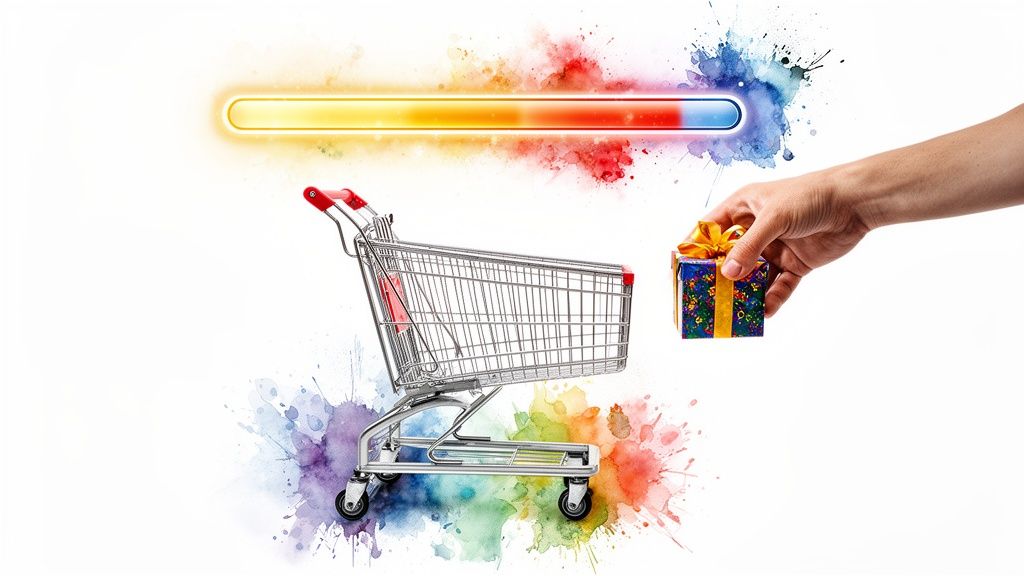
One of the most powerful ways to get customers to spend a little more is by turning the process into a game they actually want to win. Instead of just showing them a final total, show them what they can unlock by adding one more item. This is where an in-cart tiered reward system becomes your secret weapon.
Imagine a shopper has $42 worth of products in their cart. A standard cart just shows them that number. A rewards-focused cart, however, shows them a progress bar and a quick message: “You’re only $8 away from unlocking a free gift!”
That simple visual cue completely reframes the experience. It’s no longer about spending more money; it’s about hitting a goal and earning a reward. This psychological shift is incredibly effective at getting shoppers to browse for one more small item to hit that threshold.
Key Takeaway: The power of in-cart rewards lies in their immediacy. A customer sees the direct cause-and-effect of adding an item and unlocking a prize, creating a little dopamine hit that drives action right when their purchase intent is at its peak.
This gamified approach is a core principle behind tools like Monster Cart, which are built to make these interactions feel seamless and fun. By using visual progress bars and clear milestones, you can guide customers toward a bigger cart in a way that feels helpful and exciting, not pushy.
Build a Value-Driven Rewards Ladder
A great rewards system isn't just a single offer. It's a ladder of escalating value that gives shoppers multiple reasons to keep adding to their cart. This structure works for different types of buyers and makes sure there’s always an appealing next step.
Here’s what a typical rewards ladder might look like, all displayed visually right inside the cart drawer:
Tier 1: Spend $50 → Unlock Free Shipping. This is your foundation. It directly tackles the #1 reason for cart abandonment.
Tier 2: Spend $75 → Unlock a Free Gift. This adds a layer of delight. The gift should be a desirable, low-cost item that enhances their main purchase.
Tier 3: Spend $100 → Unlock a 15% Discount on the entire order. This is the top-tier prize that motivates your biggest spenders to go all-in.
As a customer adds items, they watch the progress bar fill up, moving from one tier to the next. Each unlocked reward feels like a small victory, reinforcing their decision to shop with you. This strategy not only helps reduce abandonment by making the final price more palatable but also systematically increases your AOV.
The Real Goal is Lifetime Value
This approach does way more than just boost a single sale. By creating a positive, rewarding shopping experience, you’re laying the groundwork for long-term loyalty. A customer who gets a surprise free gift or feels like they "earned" free shipping is far more likely to remember your brand in a positive light.
They come back not because you offered the steepest discount, but because you provided the best experience. This focus on delight and value is the key to maximizing customer lifetime value (LTV), turning one-time buyers into loyal fans. This strategy also benefits from smart suggestions, and you can learn more about how to set up compelling offers in our guide to Shopify product recommendations.
Ultimately, turning your cart into a revenue engine means changing your mindset. It's about rewarding customers for their loyalty in real-time, making the path to purchase not just frictionless, but genuinely fun.
Using Smart Upsells That Customers Appreciate
Once you've gamified the cart with rewards, the next move is to introduce smart upsells and cross-sells. But this comes with a huge warning: nobody likes a jarring, full-screen pop-up that completely hijacks their shopping flow. The secret is to weave these suggestions subtly right into the cart, where they feel less like a hard sales pitch and more like a genuinely helpful recommendation.
The idea is to increase the order's value in a way that actually benefits the customer. When you get this right, an in-cart upsell doesn't feel pushy at all; it feels like you're providing a concierge service. This approach transforms your cart from a simple holding pen into a proactive tool that makes the entire customer journey better.
Make Recommendations That Make Sense
The single most important rule of upselling is relevance. A random product suggestion is just noise, but a thoughtful one shows you're paying attention. By presenting these offers directly inside the cart drawer, you can capture more revenue without creating a disruptive, annoying experience.
For example, if someone adds a leather handbag to their cart, a smart upsell isn't another handbag. It’s the matching wallet or a can of leather protector spray. This simple shift in strategy changes the focus from just "selling more stuff" to helping the customer get the most out of their purchase.
By framing upsells as solutions or enhancements, you completely change the dynamic. You’re not just trying to pump up your AOV; you’re helping the customer build a more complete, satisfying order. This builds serious trust and makes them far more receptive to your suggestions.
Successful in-cart offers usually fall into one of these categories:
Frequently Bought Together Bundles: Package complementary items together with a slight discount. Think a camera and a memory card, or a shampoo and conditioner set.
One-Click Add-Ons: Offer low-cost, high-value items that are an easy "yes." This could be shipping protection, priority processing, or a gift-wrapping service.
Personalized Suggestions: Use what's in the cart to recommend other products they might love. If they’re buying a specific band's t-shirt, suggest a poster from the same artist.
This is where a tool like Monster Cart really shines. It lets you build these offers directly into the cart drawer, making them a seamless part of the shopping flow instead of an irritating interruption, which helps boost AOV and customer satisfaction simultaneously.
Focus on Value Not Discounts
While a "Buy More, Save More" offer certainly has its place, the most effective upsells add value beyond a simple price cut. Instead of defaulting to hefty discounts that can eat away at your margins, think about how you can improve the customer’s experience. Offering priority processing for a few extra dollars is a perfect example—it gives a real benefit to an impatient customer without devaluing your products.
This approach encourages you to think about lifetime value (LTV) over short-term gains. A customer who feels like you’ve genuinely helped them is far more likely to come back. You can find more ideas on how to implement these strategies by exploring the best Shopify upsell apps that specialize in these non-disruptive techniques.
Ultimately, smart upselling is all about timing and context. By placing relevant, helpful offers inside the cart, you meet the customer exactly where they are—with high purchase intent—and give them compelling reasons to add just a little more to their order. It's a subtle but powerful way to reduce checkout abandonment by making the final cart value feel earned and completely justified.
Building Automated Cart Recovery Workflows
Even with a perfectly optimized, reward-driven checkout, life happens. A phone call, a crying baby, or a sudden internet hiccup can pull a ready-to-buy shopper away at the last second. This is precisely why a strong offense (a great in-cart experience) needs an equally strong defense: an automated cart recovery system.
This isn't about sending a single, generic "Hey, you forgot something!" email anymore. An effective recovery workflow is a multi-step, multi-channel sequence designed to gently nudge shoppers back and remind them of the value they were about to receive. It's your 24/7 safety net, working tirelessly to recapture otherwise lost revenue.
Crafting the Perfect First Reminder
The first touchpoint is critical. It needs to land in their inbox within an hour of abandonment, while the purchase is still fresh in their mind. The goal here is simple: remind, don't pressure.
Your initial email should be friendly and helpful. Go for a subject line that sparks curiosity, like "Did you forget something?" or "Your [Brand Name] order is waiting." Inside, dynamic content is king. Show them a picture of the exact product they left behind—not some generic placeholder. That visual cue is incredibly powerful for jogging their memory and reigniting that initial purchase intent.
The Strategic Follow-Up with an Incentive
If that first email doesn’t get a click after 24 hours, it’s time for round two. This is where you can strategically introduce a small incentive to close the deal. But this is a crucial moment to think about lifetime value, not just offering a steep discount that erodes your margins.
Instead of a generic 20% off coupon, consider a value-add that might also encourage a higher AOV. A common and highly effective tactic is offering a free shipping code. Since unexpected shipping costs are a top reason for abandonment, removing that barrier is often all it takes.
Another smart approach is to offer a small, exclusive free gift with their purchase. This feels like a bonus, not a discount, which preserves your brand's value while providing the final push they need. You can turn a moment of potential abandonment into a delightful customer experience.
Expanding Beyond Email with SMS
While email is the backbone of any recovery workflow, don't overlook SMS. With open rates that often exceed 90%, a well-timed text message can be incredibly effective, especially for mobile shoppers.
Your SMS strategy should be even more concise and direct. A simple message like, "Still thinking it over? Your cart at [Brand Name] is saved and waiting for you," along with a direct link, can cut through the noise and bring customers straight back to the checkout. To get the most out of your entire sequence, it's essential to implement proven cart abandonment email best practices as a core part of your automated recovery workflows.
The diagram below shows a simple process flow for how in-cart rewards can boost order value before abandonment even has a chance to happen.
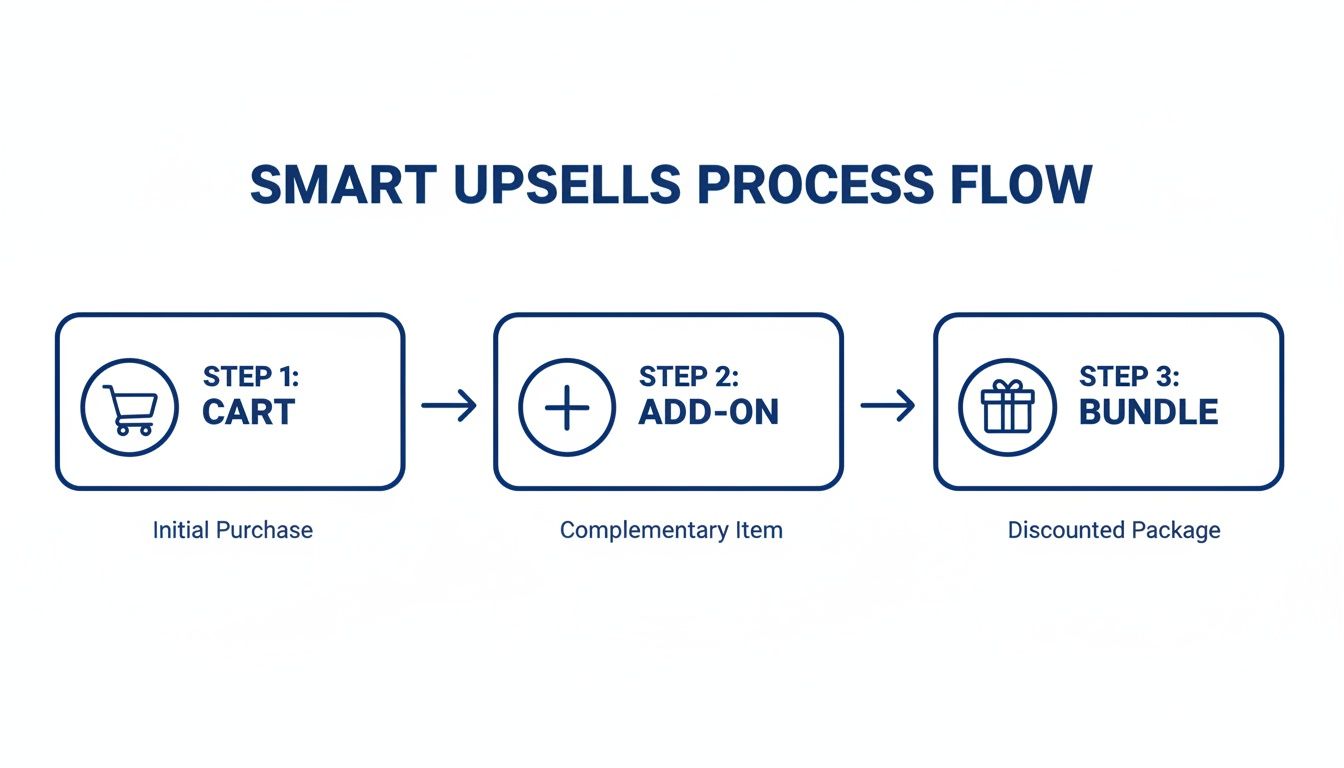
This highlights how a basic cart can be enhanced with one-click add-ons or bundled offers, increasing the overall value for both the customer and you. A robust recovery workflow then acts as the final step to secure these higher-value carts.
Expert Tip: The key to a successful recovery sequence is timing and value. Don't bombard customers. A well-spaced, three-step workflow (e.g., Email 1 at 1 hour, Email 2 at 24 hours, and an SMS at 48 hours) provides multiple gentle reminders without feeling aggressive.
This entire system can be automated, turning a manual, time-consuming task into a reliable revenue stream. It ensures that even when customers get distracted, you have a smart, strategic plan in place to welcome them back.
Got Questions? We've Got Answers
Diving into checkout optimization can bring up a lot of questions. I get it. Below, I’ve answered some of the most common ones Shopify merchants ask when they're looking to cut down on abandoned carts, bump up their AOV, and turn their cart into a serious conversion tool.
What's a "Good" Cart Abandonment Rate, Anyway?
While you'll see stats throwing around a 70% average abandonment rate, a "good" rate is really a moving target that's specific to your store. For most brands, getting your rate consistently below 60% is a huge win. The top players in ecommerce can even push that number below 50%.
But here's the thing: don't get hung up on industry benchmarks. The most important metric is your own trend line. The real goal isn't hitting some magic number but implementing strategies that consistently drive your own rate down month over month.
How Can I Give Away Free Gifts Without Killing My Margins?
This is the big one, but it’s a total misconception. The secret is to use free gifts to strategically increase your Average Order Value (AOV), not just hand out freebies. You want the gift to be an incentive for customers to spend more than they were already planning to, which easily covers the cost of the gift itself and boosts their lifetime value.
Here’s the simple playbook I always recommend:
First, figure out your current AOV.
Set the spending goal for the free gift about 15-20% higher than that number.
Pick a gift that feels like a premium reward but has a low cost for you.
This simple setup nudges shoppers to add one more thing to their cart to hit the goal. When you pair this with an in-cart progress bar—like the ones in Monster Cart—it turns into a highly visible and surprisingly effective game for the shopper. They see exactly how close they are, and that visual cue makes them far more likely to add another item.
Are In-Cart Upsells Really That Much Better Than Pop-Ups?
Yes, and it’s not even close. In-cart upsells are powerful because they're contextual, relevant, and don't feel like an interruption. A classic pop-up, on the other hand, breaks the shopping flow and can feel pretty aggressive.
Think about it from the customer's perspective. A pop-up can be frustrating enough to make someone abandon their purchase entirely. But a smart upsell or cross-sell that appears right in the slide-cart feels more like a helpful suggestion from a personal shopper—it's offered at the exact right moment.
This leads to way higher take rates on your offers, but more importantly, it creates a better customer experience. That positive feeling is what builds brand loyalty and drives up long-term lifetime value.
Should I Force Customers to Create an Account Before They Buy?
Absolutely not. This is a classic conversion killer. Forcing account creation is like putting a brick wall right in front of the finish line. In fact, studies show that nearly 19% of shoppers will ditch their cart if they're forced to create an account to check out.
The best practice is always to lead with a guest checkout option. Make it the biggest, most obvious button on the page.
You can always offer them the choice to create an account on the post-purchase "thank you" page. This approach gets you the sale first, then frames the account as a helpful tool for tracking their order and making future buys easier. It flips a major point of friction into a customer-friendly benefit.
Ready to turn your cart into a revenue engine? With Monster Cart, you can build a fully branded slide-cart with tiered rewards, progress bars, and seamless in-cart upsells. Stop losing sales to a clunky checkout and start boosting your AOV today. Learn more at https://monsterapps.shop.
Join 7000+ brands using our apps